Risk Management Strategies in Skid Fabrication for the Oil Industry
Understanding Skid Fabrication in the Oil Industry
Overview of Modular Process Skids
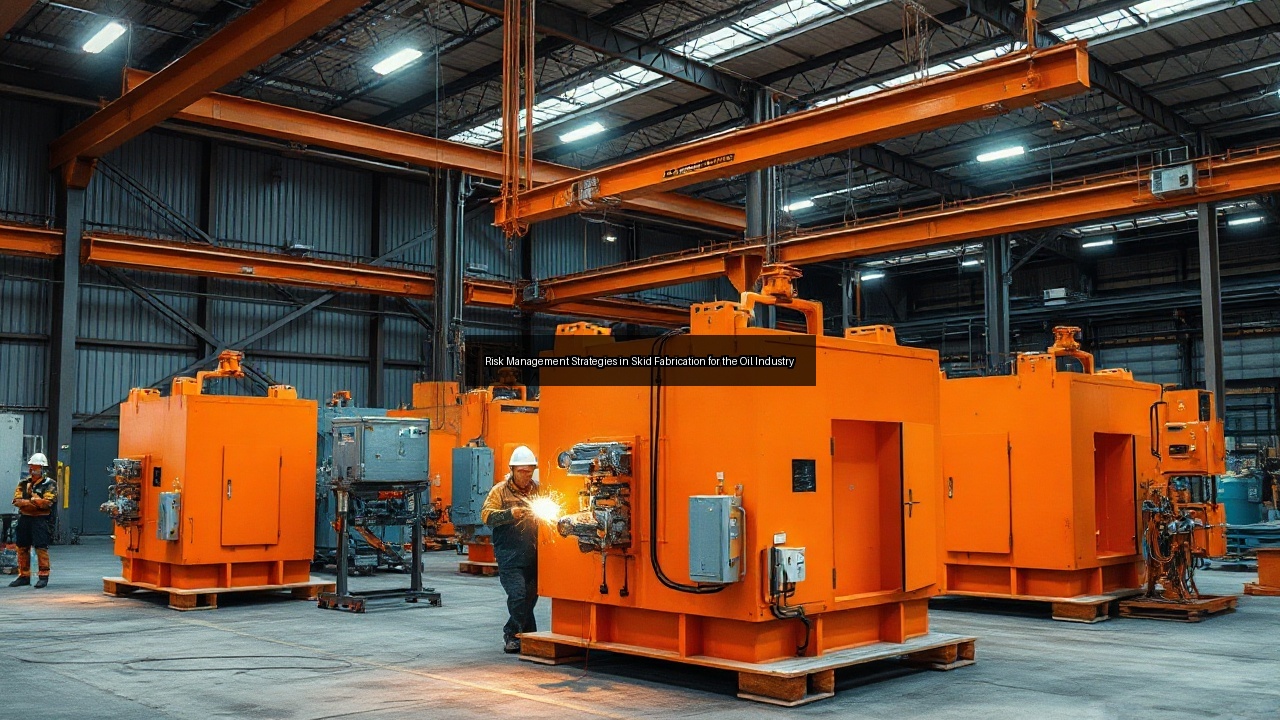
Modular process skids play a crucial role in the oil and gas industry, serving as pre-assembled units that streamline the installation and operation of complex systems. These skids typically house various components such as pumps, valves, tanks, and control systems, all designed to function together seamlessly. The modular design allows for easy transportation and installation, reducing the time and labor costs associated with traditional construction methods. Skid fabrication focuses on creating these modular units to meet specific operational needs, ensuring that skid fabrication company each skid is tailored to the unique requirements of the oilfield.
Importance of Custom Skid Fabrication
Custom skid fabrication proves essential for optimizing efficiency and safety in oil and gas operations. Each oilfield presents distinct challenges, from environmental conditions to production demands. Customization enables manufacturers to design modular skids that address these unique issues directly. Tailored skids can enhance performance by integrating the latest technologies and safety features, ensuring compliance with industry standards. Moreover, custom skid fabrication allows for the use of specific alloys and materials that improve durability and resistance to harsh working conditions, ultimately supporting the longevity and reliability of the equipment.
Key Players: Skid Fabrication Companies
Numerous skid fabrication companies contribute to the oil and gas industry's infrastructure. These manufacturers range from specialized fabrication shops to larger firms that provide comprehensive skid fabrication services. Leading companies employ skilled professionals who understand the intricacies of the fabrication process, from design to assembly. They utilize advanced machining technologies and quality control measures to produce modular skids that meet stringent industry standards. Additionally, collaboration between various stakeholders, including engineers and safety experts, ensures that these companies deliver effective and safe solutions for their clients.
Risk Management Strategies in Skid Fabrication
Identifying Risks in the Fabrication Process
Identifying risks in the skid fabrication process is vital for ensuring safety and efficiency in the oil and gas sector. The fabrication process involves several stages, including design, welding, and assembly, each presenting its own set of potential hazards. Common risks include equipment failure, material defects, and safety violations during construction. Moreover, the complexity of modular skid systems can lead to challenges in coordination among various teams. Conducting thorough risk assessments and analyzing past incidents helps manufacturers recognize these risks early, allowing them to implement strategies that minimize their potential impact.
Mitigation Techniques for Welding Risks
Welding poses significant risks during skid fabrication, making effective mitigation techniques essential. Ensuring that welders are well-trained and certified is a foundational step in reducing welding-related risks. Implementing stringent safety protocols, such as the use of personal protective equipment (PPE) and proper ventilation, can significantly enhance safety during the welding process. Additionally, employing advanced welding techniques and technologies can reduce the likelihood of defects and improve the overall quality of the joints. Regular inspections and quality assurance measures help identify potential issues before they escalate, ensuring that the final product meets industry standards.
Quality Control and Assurance Measures
Quality control and assurance are paramount in skid fabrication, particularly in the oil and gas industry, where operational reliability is critical. Manufacturers must establish comprehensive quality management systems that encompass all stages of fabrication. Routine inspections and testing of materials, including alloy compositions, ensure that all components meet required specifications. Implementing standardized procedures helps maintain consistency and reduces the risk of defects. Moreover, certification from recognized bodies can enhance credibility and demonstrate a commitment to quality, thereby attracting more clients seeking reliable skid fabrication services.
Technological Innovations in Modular Skid Fabrication
Advancements in Design and Machining Technologies
Technological innovations significantly enhance the skid fabrication process, especially in design and machining. Advanced software tools facilitate precise design, allowing engineers to simulate and optimize modular process systems before fabrication begins. Innovations in machining technologies, such as CNC (Computer Numerical Control) machinery, enable manufacturers to produce components with high accuracy and efficiency. These advancements reduce lead times and improve overall production quality. Additionally, the integration of 3D printing in the fabrication process allows for rapid prototyping of complex components, further streamlining the production of modular skids tailored for specific applications in the oil and gas industry.
Integrating Safety Features into Modular Skids
Safety remains a top priority in skid fabrication, leading to the integration of various safety features into modular skids. Manufacturers design skids with safety valves, emergency shut-off systems, and fail-safe mechanisms to protect personnel and equipment during operation. Incorporating ergonomic designs improves accessibility for maintenance and reduces the risk of accidents. Furthermore, implementing remote monitoring technologies allows operators to oversee skid performance in real time, quickly identifying potential issues before they develop into hazards. These proactive safety measures not only comply with regulations but also foster a culture of safety within the oil and gas sector.
Impact of Quality Management on Cost Efficiency
Effective quality management directly influences cost efficiency in skid fabrication. By emphasizing quality at every stage of the fabrication process, manufacturers can minimize rework and material waste. High-quality modular skids require fewer repairs and replacements, resulting in lower long-term operational costs for oilfield operators. Additionally, investing in quality management systems can enhance a company’s reputation, attracting more clients and projects. Ultimately, a focus on quality not only ensures compliance with industry standards but also contributes to the overall profitability of skid fabrication companies in a competitive market.
Best Practices for Effective Skid Fabrication
Licensing and Compliance in the Fabrication Industry
Licensing and compliance are crucial for skid fabrication companies operating in the oil and gas industry. Manufacturers must adhere to strict regulations set forth by governmental and industry bodies to ensure safety and quality. Obtaining the necessary licenses demonstrates a commitment to compliance and enhances credibility in the marketplace. Regular audits and inspections help maintain compliance with industry standards, ensuring that companies remain up-to-date with evolving regulations. Organizations that prioritize licensing and compliance not only reduce the risk of legal issues but also foster trust among clients and stakeholders.
Collaboration Between Manufacturers and Experts
Collaboration among manufacturers, engineers, and safety experts enhances the quality and safety of skid fabrication. Engaging experts during the design and fabrication phases ensures that all aspects of the modular skid align with industry best practices. Such collaboration fosters innovation, allowing manufacturers to integrate cutting-edge technologies and methodologies that improve efficiency and safety. Additionally, sharing knowledge and insights among various stakeholders can lead to the development of more robust skid systems that better withstand the challenges of the oil and gas environment, ultimately benefiting all parties involved.
Case Studies of Successful Modular Process Systems
Examining case studies of successful modular process systems provides valuable insights into effective skid fabrication practices. These real-world examples highlight innovative design solutions, risk management strategies, and quality assurance measures that have led to successful project outcomes. Analyzing these projects reveals common factors contributing to success, such as strong collaboration between teams, adherence to safety protocols, and the use of advanced technologies. By learning from these case studies, skid fabrication companies can adopt best practices that enhance their operations and improve client satisfaction in the highly competitive oil and gas industry.